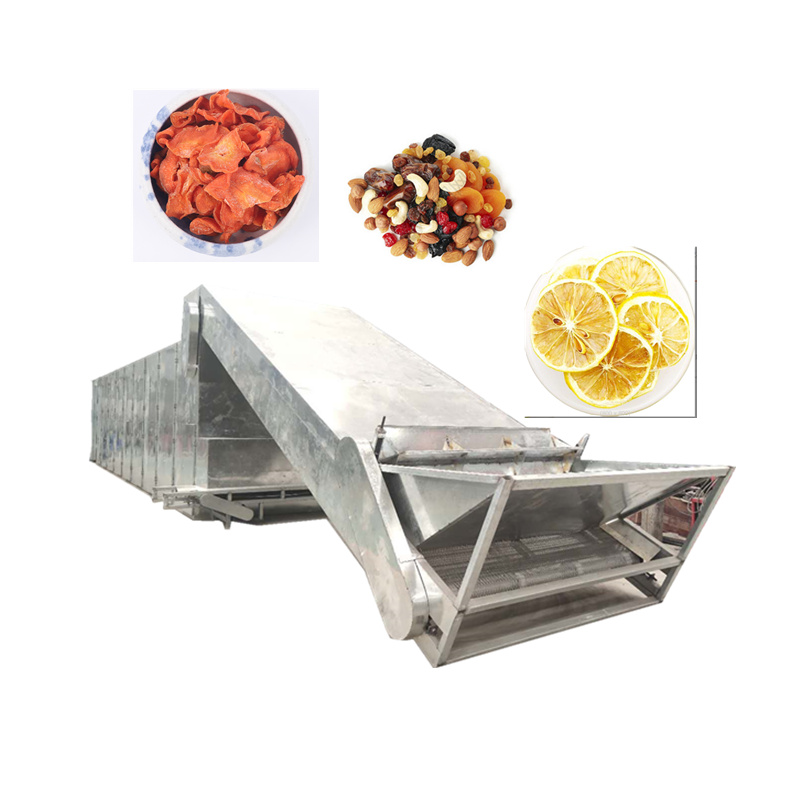
Innovative Techniques in Vegetable Drying: How Modern Factories Are Revolutionizing Food Preservation
The evolution of food preservation has reached a new pinnacle with the advent of modern vegetable drying machines, revolutionizing the way we store and consume vegetables. These machines, central to innovative food preservation techniques, are the lifeblood of contemporary factories dedicated to extending the shelf life of vegetables while maintaining their nutritional value. By leveraging advanced technology, these factories ensure that dried vegetables are not only safe to eat but also retain their flavor and essential nutrients, thereby addressing both food security and quality.
Central to this innovation is the precise control over drying conditions that modern machines offer. Traditional methods, such as sun drying, often resulted in inconsistent moisture levels, leading to spoilage and loss of nutritional value. However, contemporary vegetable drying machines employ sophisticated sensors and automated controls to monitor temperature, humidity, and airflow. This precision ensures uniform drying, minimizing the risk of microbial contamination and enzymatic spoilage, which are common in less controlled environments.
Moreover, the integration of energy-efficient technologies is a hallmark of these modern factories. Vegetable drying machines now utilize heat pump drying systems and solar-assisted drying techniques, significantly reducing energy consumption. This shift not only lowers operational costs but also aligns with global sustainability goals by minimizing the carbon footprint of the drying process. The efficiency of these machines translates into lower costs for consumers and a smaller environmental impact, making dried vegetables an attractive option for eco-conscious individuals.
In addition to energy efficiency, modern vegetable drying machines boast impressive versatility. They are designed to handle a wide variety of vegetables, from leafy greens to root vegetables, ensuring that no produce goes to waste. Factories can customize drying parameters for different types of vegetables, preserving their unique textures and flavors. This flexibility is crucial in responding to consumer demands for diverse and high-quality dried vegetable products, expanding the market for these goods.
Furthermore, the implementation of hygienic design principles in these machines is paramount. Food safety is a top priority, and modern factories adhere to stringent sanitary standards to prevent contamination. The use of stainless steel components, easy-to-clean surfaces, and automated cleaning systems ensures that the drying process remains hygienic. These features are vital for maintaining the integrity of the vegetables and safeguarding public health.
The role of innovation extends beyond the drying machines themselves to the entire factory ecosystem. Advanced logistics and inventory management systems streamline operations, ensuring that vegetables are processed and dried promptly to retain maximum freshness. Additionally, quality control measures, such as real-time monitoring and automated inspection systems, guarantee that only the best products reach consumers. These technological advancements in factory management optimize the overall efficiency and reliability of the drying process.
In conclusion, the modernization of vegetable drying machines represents a significant leap forward in food preservation. By incorporating precise control systems, energy-efficient technologies, versatile drying capabilities, and stringent hygienic practices, these machines exemplify the future of food processing. Modern factories dedicated to vegetable drying are not only preserving the nutritional and sensory qualities of vegetables but also contributing to global sustainability efforts. As consumer demand for convenient, nutritious, and eco-friendly food options continues to grow, the role of these innovative drying techniques will undoubtedly become more prominent, shaping the future of food preservation and consumption.
Exploring the Cost-Effective fish dryer machine Solutions from Cheap Factories Exploring the Cost-Effective Fish Dryer Machine Solutions from Cheap Factories In the realm of food preservation, drying fish stands as one of the oldest methods known to humankind. It’s an effective way to extend the shelf life of fish while retaining much of its nutritional…
Benefits of Using an orange cutter machine for Efficient Fruit Processing When it comes to efficiently processing fruits like oranges and lemons, having the right equipment can make all the difference. One such piece of equipment that has revolutionized the way fruits are cut and sliced is the orange cutter machine. This machine, also known…
How to Use a Ginger Slices Dryer Dehydrator to Preserve Your Harvest Preserving your harvest is an important part of ensuring that you can enjoy the fruits of your labor for months to come. A ginger slices dryer dehydrator is an effective way to preserve your harvest and keep it fresh for a longer period…
How to Choose the Right Mint leaf dryer machine for Your Needs When it comes to choosing the right mint leaf dryer machine for your needs, there are a few things to consider. First, you need to think about the size of the machine. If you are drying large amounts of mint leaves, you will…
Revolutionizing Food Preservation: A Deep Dive into the Cutting-Edge Technology of Vegetable Dryer Machines In the realm of food preservation, innovation continues to reshape the landscape, offering efficient solutions to extend the shelf life of perishable goods. Among these innovations, vegetable dryer machines stand out as a revolutionary technology, particularly those manufactured by leading companies…
Benefits of Using a lemon cutter machine for Efficient Food Preparation In the world of food preparation, efficiency is key. Whether you are a professional chef in a bustling restaurant kitchen or a home cook looking to streamline your meal prep, having the right tools can make all the difference. One such tool that has…

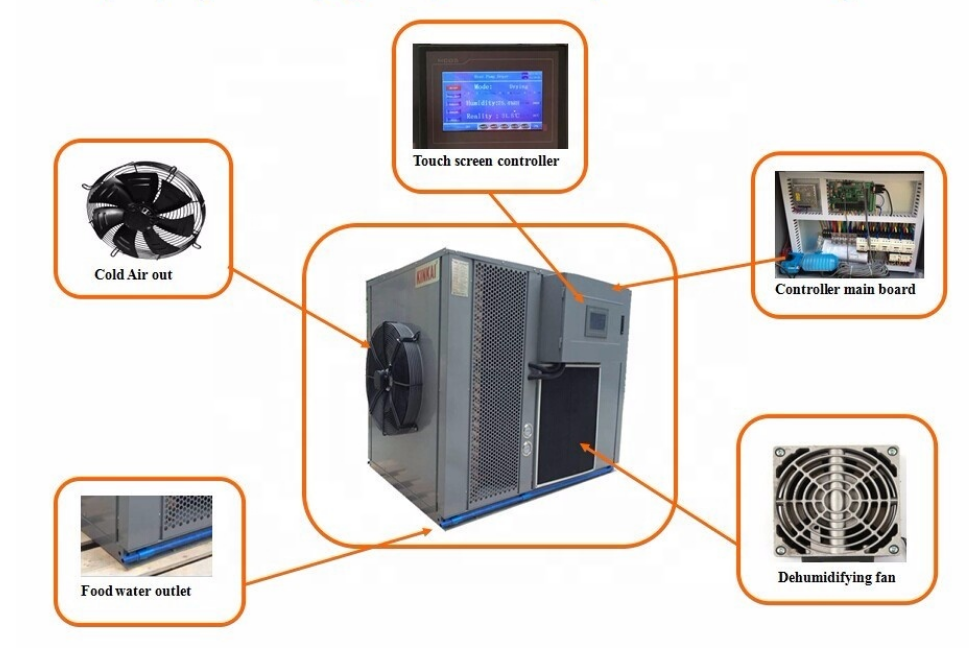 Moreover, the integration of energy-efficient technologies is a hallmark of these modern factories. Vegetable drying machines now utilize heat pump drying systems and solar-assisted drying techniques, significantly reducing energy consumption. This shift not only lowers operational costs but also aligns with global sustainability goals by minimizing the carbon footprint of the drying process. The efficiency of these machines translates into lower costs for consumers and a smaller environmental impact, making dried vegetables an attractive option for eco-conscious individuals.
 The role of innovation extends beyond the drying machines themselves to the entire factory ecosystem. Advanced logistics and inventory management systems streamline operations, ensuring that vegetables are processed and dried promptly to retain maximum freshness. Additionally, quality control measures, such as real-time monitoring and automated inspection systems, guarantee that only the best products reach consumers. These technological advancements in factory management optimize the overall efficiency and reliability of the drying process.
In conclusion, the modernization of vegetable drying machines represents a significant leap forward in food preservation. By incorporating precise control systems, energy-efficient technologies, versatile drying capabilities, and stringent hygienic practices, these machines exemplify the future of food processing. Modern factories dedicated to vegetable drying are not only preserving the nutritional and sensory qualities of vegetables but also contributing to global sustainability efforts. As consumer demand for convenient, nutritious, and eco-friendly food options continues to grow, the role of these innovative drying techniques will undoubtedly become more prominent, shaping the future of food preservation and consumption.
The role of innovation extends beyond the drying machines themselves to the entire factory ecosystem. Advanced logistics and inventory management systems streamline operations, ensuring that vegetables are processed and dried promptly to retain maximum freshness. Additionally, quality control measures, such as real-time monitoring and automated inspection systems, guarantee that only the best products reach consumers. These technological advancements in factory management optimize the overall efficiency and reliability of the drying process.
In conclusion, the modernization of vegetable drying machines represents a significant leap forward in food preservation. By incorporating precise control systems, energy-efficient technologies, versatile drying capabilities, and stringent hygienic practices, these machines exemplify the future of food processing. Modern factories dedicated to vegetable drying are not only preserving the nutritional and sensory qualities of vegetables but also contributing to global sustainability efforts. As consumer demand for convenient, nutritious, and eco-friendly food options continues to grow, the role of these innovative drying techniques will undoubtedly become more prominent, shaping the future of food preservation and consumption.